Skip to Content

Supporting Cancer Research Through Scientific Knowledge


Explore the biology of cancer, the mechanisms underlying tumor development, the role of the immune system, and the technologies researchers use to investigate cancer at the molecular, cellular and genomic levels.

learn more 


Exploring the Science Behind Cancer

Cancer research brings together many areas of modern biology.

Understanding cancer requires researchers to examine changes occurring within cells, alterations in DNA and gene expression, interactions between tumor cells and their surrounding environment, and the complex relationship between cancer and the immune system.

GOVCF provides a scientific space for exploring these interconnected areas through educational content, research topics and explanations of laboratory technologies.

From fundamental cancer biology to emerging research approaches, explore the scientific concepts that help researchers investigate cancer from different perspectives

Cancer Research Timeline


Cancer research has evolved from observing tumors under a microscope to studying cancer at the genetic, molecular, cellular, and immune levels.


1775 — Environmental Causes

Percivall Pott linked chimney soot exposure to cancer, providing early evidence that environmental factors can contribute to cancer development.


1902 — Chromosomes and Cancer

Theodor Boveri proposed that abnormal chromosome changes could contribute to uncontrolled cell division and tumor development.

1990s — Cancer Genomics

The study of cancer increasingly shifted toward identifying genetic alterations that drive tumor development and progression.


2020s — Multi-Omics Cancer Research

Cancer research increasingly combines genomic, proteomic, imaging, and clinical data to study tumors from multiple biological perspectives.

Understanding Cancer at Different Biological Levels

Cancer is a complex biological process that involves changes at multiple levels, from individual genes to entire tissues. Studying these different levels allows researchers to build a more complete picture of tumor development and behavior.

Genes & DNA

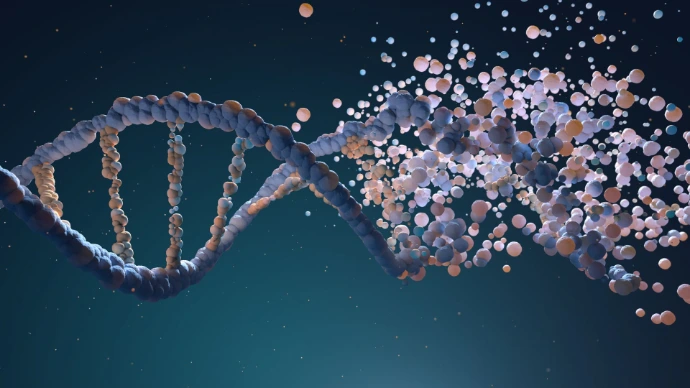
Researchers investigate mutations, genomic alterations, and changes in DNA that can influence cancer development.

RNA & Gene Expression

Analyzing RNA helps researchers understand which genes are active or altered in cancer cells.

Proteins

Proteins control many cellular processes. Studying their expression and activity can reveal changes in signaling pathways and cellular functions.

Cells

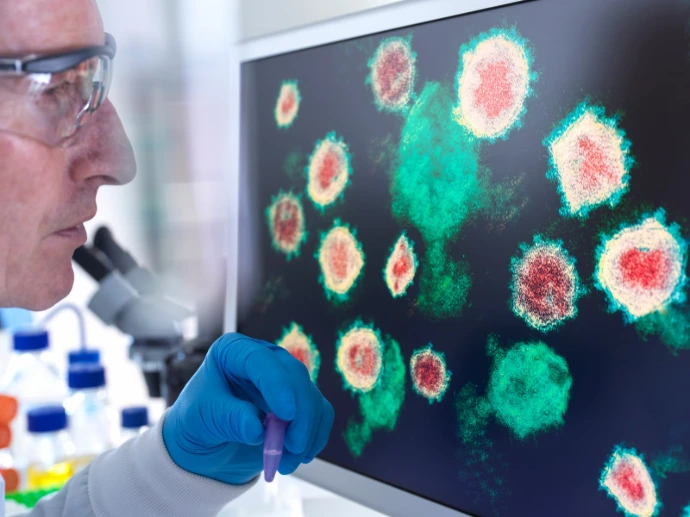
Cancer cells interact with immune cells, stromal cells, and other components of their environment, influencing tumor growth and progression.

Tumor Tissues

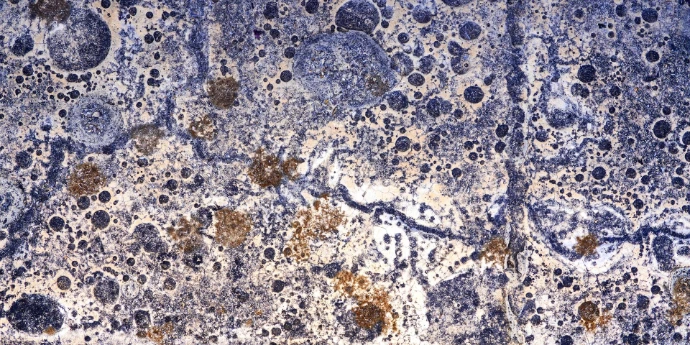
Examining tumors as organized tissues helps researchers understand cellular distribution, interactions, and the tumor microenvironment. 


 Read more : 

Single-cell RNA sequencing reveals the effects of chemotherapy on human pancreatic adenocarcinoma and its tumor microenvironment

An integrated landscape of protein expression in human cancer


PCR


Amplifying DNA for research

PCR allows researchers to make millions of copies of a specific DNA sequence, making it easier to detect and study genetic changes associated with cancer. 

Flow Cytometry


Analyzing cells one by one

Flow cytometry measures physical and molecular characteristics of individual cells. It can help researchers identify immune cell populations, cancer cell characteristics, and protein expression. 

Immunohistochemistry


Detecting proteins within tissues

Immunohistochemistry uses antibodies to identify specific proteins in tissue sections, helping researchers examine protein expression and distribution within tumors.