Next-Generation Sequencing (NGS)
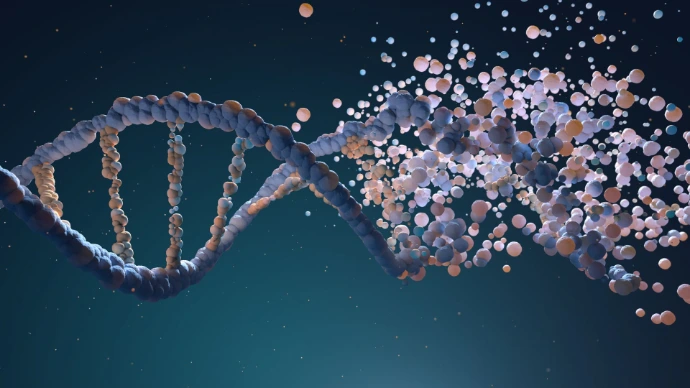
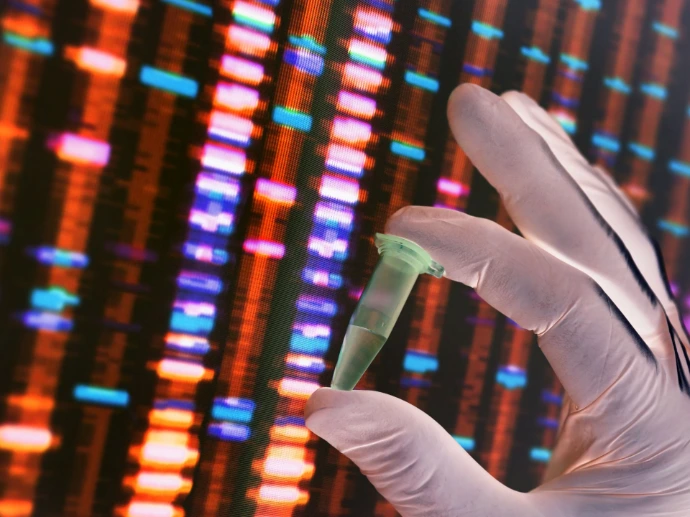
Next-Generation Sequencing allows researchers to analyze large amounts of DNA or RNA simultaneously. In cancer research, NGS can help identify mutations, genomic alterations, and changes in gene expression, providing valuable insights into the molecular characteristics of tumors.
Western Blotting
Western blotting is a widely used technique for detecting specific proteins in biological samples. Researchers use it to investigate protein expression, signaling pathways, and molecular changes associated with cancer development and progression.
Cell Culture
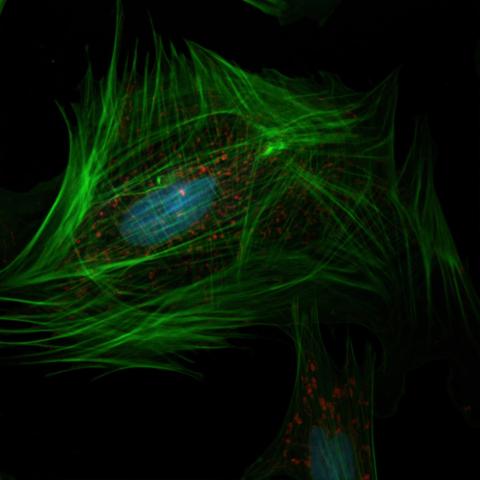
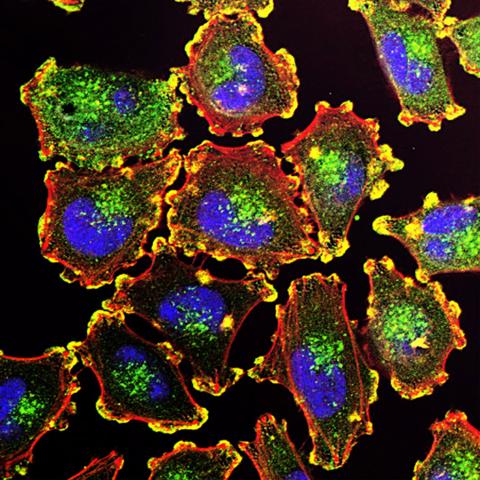
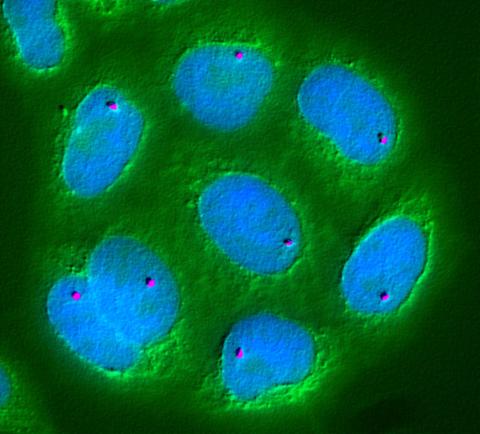
Cell culture allows researchers to grow and maintain cancer cells under controlled laboratory conditions. Cancer cell cultures can be used to study cell growth, metabolism, migration, drug responses, and cellular behavior, providing useful models for cancer research.
Single-Cell Transcriptomics
Single-cell transcriptomics examines gene expression at the level of individual cells rather than analyzing an entire tissue as a single population. This approach helps researchers investigate tumor heterogeneity, identify distinct cell populations, and study interactions between cancer cells and surrounding immune or stromal cells.
Cancer Organoids
Cancer organoids are three-dimensional cell models that can reproduce some characteristics of tumors in the laboratory. They provide researchers with models for studying tumor biology, testing potential treatments, and investigating how cancer cells respond to different experimental conditions.
Spatial Transcriptomics
Spatial transcriptomics combines gene-expression analysis with information about the location of cells within a tissue. In cancer research, it can help researchers determine where specific genes are expressed and examine the organization of cancer cells, immune cells, and other components of the tumor microenvironment.
Bringing Different Techniques Together
No single technique provides a complete picture of cancer. Researchers can combine approaches such as NGS, single-cell transcriptomics, spatial transcriptomics, protein analysis, and cell-based models to examine cancer at multiple biological levels.
Together, these technologies help build a more detailed understanding of cancer biology, tumor heterogeneity, molecular mechanisms, and potential therapeutic strategies.